
 Home
Home
Table Of Contents:
What Should a Professional Basement Inspection Include?
Why Regular Basement Inspections Matter
Signs You Need a Professional Basement Inspection
Regular basement inspections are crucial for homeowners in Ontario to protect their property from water damage, mould, and structural issues. Given the province’s fluctuating weather conditions, including freezing temperatures and heavy rainfall, basements are especially vulnerable to moisture intrusion and foundation problems.
A professional inspection helps identify potential issues early, such as cracks in the foundation, water seepage, or mould growth, allowing homeowners to address them before they lead to costly repairs. By ensuring your basement is properly waterproofed and maintained, you can preserve the integrity of your home, improve indoor air quality, and prevent long-term damage, all while increasing the value of your property.
What Should a Professional Basement Inspection Include?
When you hire DGI Waterproofing, our professional inspectors will carefully evaluate your basement and look for common problem areas that could indicate water damage or structural issues.
Here’s what our expert team will look for during a basement inspection:
1. Water Damage and Moisture Detection
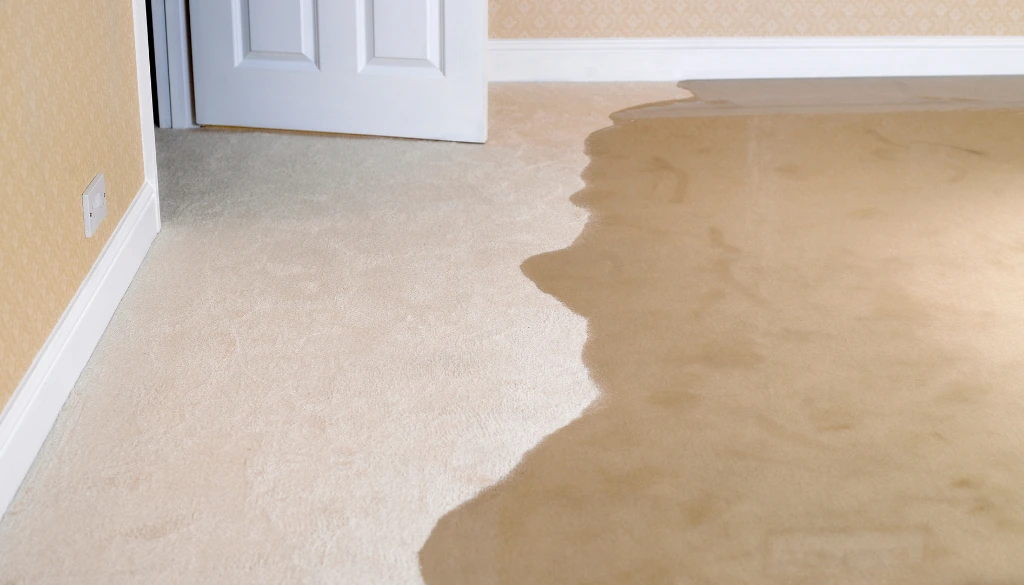
Anyone can spot an obvious water stain or a damp puddle on the floor, but water is notoriously sneaky. When we inspect your basement, we’re looking far past the surface discoloration. We bring in advanced moisture detection technology to track down the hidden dampness your eyes can’t see behind walls and under floors. Once we know exactly what we’re dealing with, moving quickly on repairs is your best defense to stop the damage dead in its tracks before it spreads. Schedule water damage repairs Now
2. Cracks and Structural Integrity
When we inspect your basement, we’re looking closely at the very bones of your home. We evaluate your foundation and walls for any cracks, settling, or structural weak points. Things like a bowing or leaning wall are huge indicators of a foundation under intense pressure. Catching these warning signs early is the absolute best way to protect your home’s structural integrity.
3. Ventilation and Humidity Levels
Good ventilation is the main remedy against mould development and moisture build-up. We will inspect the basement ventilation system during an inspection to ensure it’s good enough to sustain dry air in the area and thereby prevent mould.
4. Sump Pump and Drainage Systems
If there is a sump pump in your basement, we’ll check to see if it’s working. We’ll also evaluate the drainage system around your foundation to make sure water is being directed away from the basement.
5. Insulation and Sealing
We will check the insulation around pipes and walls to ensure there are no gaps or damage. Proper insulation helps keep the basement dry and energy-efficient, especially during Ontario’s harsh winters.
Regular basement inspections are essential for protecting your home from the harmful effects of water damage, mould growth, and foundation issues. For Ontario homeowners, where weather conditions can fluctuate dramatically, proactive inspections are the key to keeping your basement dry, healthy, and structurally sound.
Schedule a professional basement inspection today.
Why Every Ontario Homeowner Needs a Routine Basement Check
Let’s be real, waiting until you have a flooded floor or a visible foundation crack is the absolute most expensive way to find out your home has a problem. Staying ahead of our unpredictable weather with a proper inspection doesn’t just save you thousands of dollars; it spares you from a massive, unexpected headache.
Here is exactly how getting a professional set of eyes on your basement pays off:
1. Waterproofing Protection
Living in Ontario means our homes take a serious beating from the weather. Between the heavy spring downpours, rapid snowmelts, and that relentless freeze-thaw cycle, the soil around your home is practically begging water to find a way inside. That’s exactly why regular inspections are a must. We aren’t just looking for damage; we’re making sure your current waterproofing system is actually holding up against the pressure, keeping your foundation safe, and stopping leaks long before they start.
2. Preventing Mold and Mildew Growth
The damp conditions in basements are ideal for mould and mildew growth. These fungi thrive in moist, poorly ventilated spaces, and if left unchecked, they can cause serious health issues for you and your family. By inspecting your basement regularly, you can catch early signs of mould growth before they become a serious problem, ensuring the air in your home remains healthy and clean.
3. Maintaining Structural Integrity
Your entire home relies on the strength of your basement foundation, which means keeping it structurally sound is everything. Things like cracked concrete, uneven floors, or inward-leaning walls are usually the first clues that something is failing behind the scenes. Having a professional check things out means we can spot these hidden weaknesses and fix them fast, stopping minor shifts from turning into a total structural nightmare.
4. Increasing Property Value
A well-maintained basement is not only essential for the structural health of your home but also adds value to your property. If you’re planning to sell your home in the future, having a clean, dry, and structurally sound basement can make your home more appealing to potential buyers. Inspections and waterproofing services help ensure that your basement remains a valuable asset in the market.

Is It Time to Call in the Basement Professionals?
It is always a good idea to keep an eye on your basement. However, sometimes you notice something that really requires the attention of a professional. If you notice any of the following physical signs in your basement, it is likely that it is time to call us in to check it out:
1. Water Stains or Dampness on Walls and Floors
Water stains or dampness on the concrete walls and floors indicate that water is trying to get in. Even a small water stain typically indicates a hidden leak just behind the wall. We determine where the water is coming from before it becomes a bigger problem with mold or structural damage.
2. Cracks in Foundation Walls or Floors
Most homes have small settlement cracks. However, if these cracks begin to get bigger or more of them appear, it is likely a structural problem. We examine these cracks to determine if they are allowing groundwater to leak into the basement.
3. Musty Odours
A thick, moist smell in the basement is more than just an “old house” thing. It’s almost always the first sign of hidden mildew. That smell lets us know that moisture is being trapped behind the drywall or under the floor. We get a call and track down the actual source of the moisture rather than just masking the smell.
4. Visible Mould or Mildew Growth
Black or green patches on the baseboards mean that moisture has been sitting there for a while. Mould grows quickly in dark areas. We locate the source of the leak that’s feeding the mould and help you determine the best way to clean the area up safely,scheduling mould removal early is crucial to maintaining a safe living environment.
5. Increased Humidity or Condensation
If your basement is sticky or your cold water pipes are sweating, the room is retaining too much moisture. Condensation on the windows is a huge warning sign. We analyze the space to determine exactly how the outside humidity is getting past your vapor barriers so we can correct it.