
 Home
Home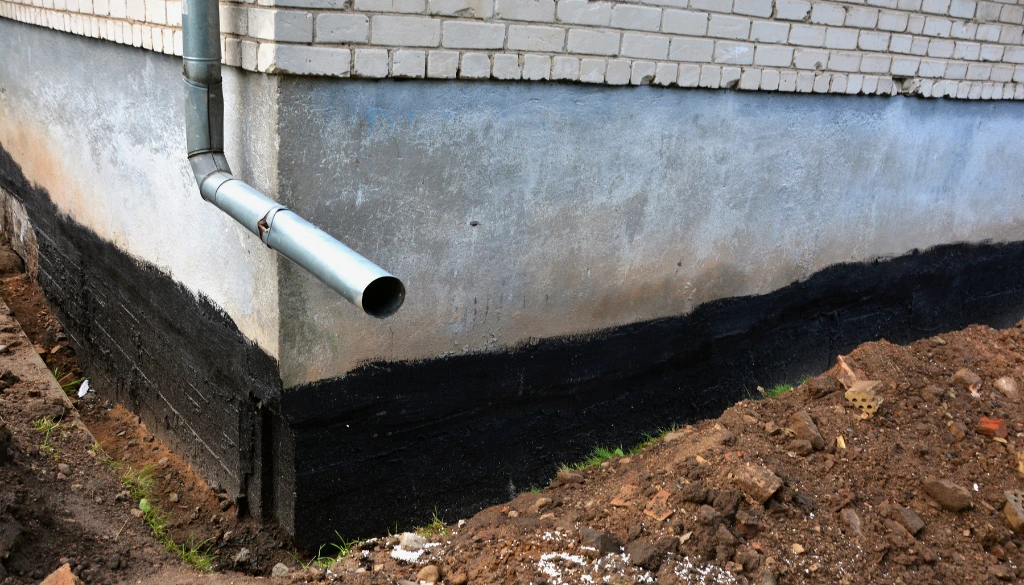
When contractors arrive at your property to fix a wet basement, the scale of the construction project depends entirely on the method being deployed. Understanding the physical logistics, the heavy machinery involved, and the disruption to your property is crucial for setting expectations.
Here is a transparent breakdown of the actual construction processes, materials, and equipment utilized in both interior and exterior foundation projects.
The Inside Job: Trenching and Pumping
Managing water from the inside is a highly mechanical process that turns the perimeter of your basement into an active drainage zone. The construction happens entirely indoors, which means your landscaping remains untouched.
Here is how the machinery and installation process unfolds:
- Slab Breakout: Crews use electric jackhammers to break and remove a 12-to-18-inch perimeter of the concrete floor alongside the foundation walls.
- Trenching: A trench is hand-dug alongside the footings to accommodate perforated weeping tile pipes.
- The Sump Pit: A large basin is excavated at the lowest point of the house. The weeping tiles are pitched to gravity-feed into this basin, where a heavy-duty mechanical sump pump is installed.
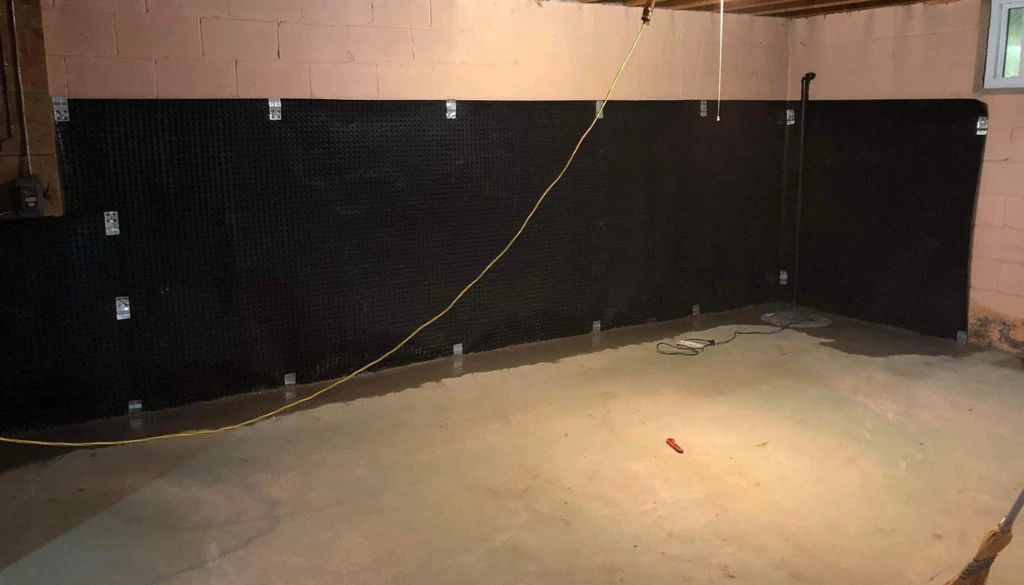
- Dimple Boards: Plastic drainage membranes are pinned to the walls to direct any migrating moisture straight down into the new trench.
- Concrete Pour: The trench is backfilled with washed gravel, and a fresh layer of concrete is poured over the top, seamlessly blending with the existing floor.
The Outside Job: Heavy Excavation and Membranes
Stopping water before it touches your home is a major earth-moving operation. This method relies on heavy machinery, advanced elastomeric chemistry, and complete exposure of the subterranean structure.
Here is what happens during a full-scale yard excavation:
- Heavy Machinery: Mini-excavators or backhoes are brought onto the property to dig a massive trench right down to the base of the foundation footings. Any walkways, patios, or shrubs in the dig zone must be removed.
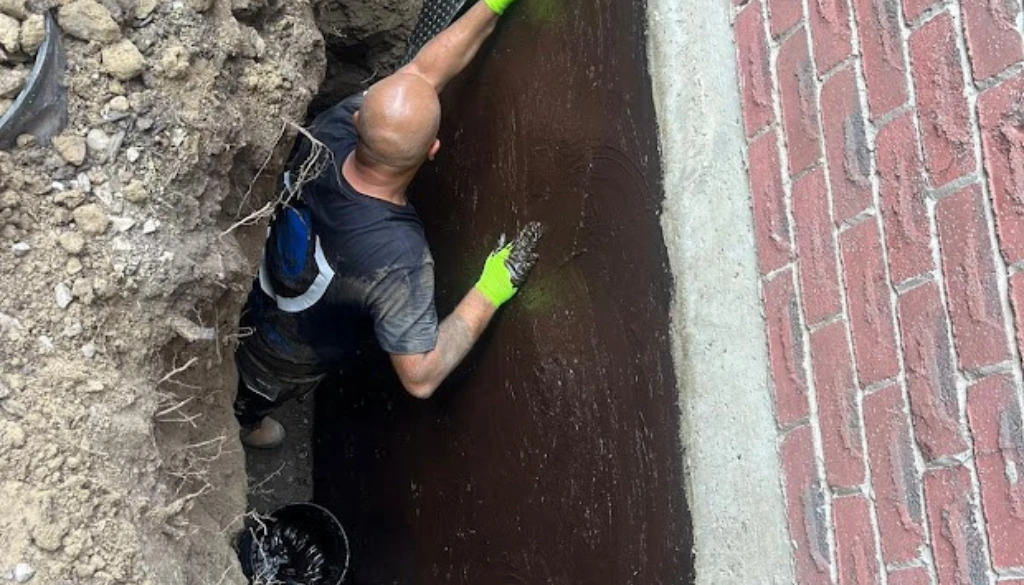
- Wall Preparation: Once the bare concrete is exposed, workers power-wash the surface and use hydraulic cement to patch structural voids.
- Elastomeric Coating: Thick, rubberized, trowel-grade waterproofing membranes are applied directly to the concrete. Unlike tar, these rubber coatings stretch and flex if the house settles.
- Drainage Installation: Rigid, perforated PVC drainage pipes are laid at the footings and wrapped in a specialized filter fabric to prevent silt clogging.
- Aggregate Backfill: The massive trench is carefully backfilled with layers of 3/4-inch clear stone and compacted clay to ensure surface water naturally flows away from the house.
Logistical Considerations for Homeowners
When planning for these construction events, consider the operational footprint. Indoor trenching creates significant concrete dust, requiring heavy-duty air scrubbers and plastic containment barriers. Conversely, outdoor excavation requires staging areas for massive piles of displaced soil and gravel deliveries on your driveway.
At DGI Waterproofing, our crews are trained to manage these logistical challenges safely and cleanly. Contact our team today to discuss the operational details of your upcoming project!