
 Home
Home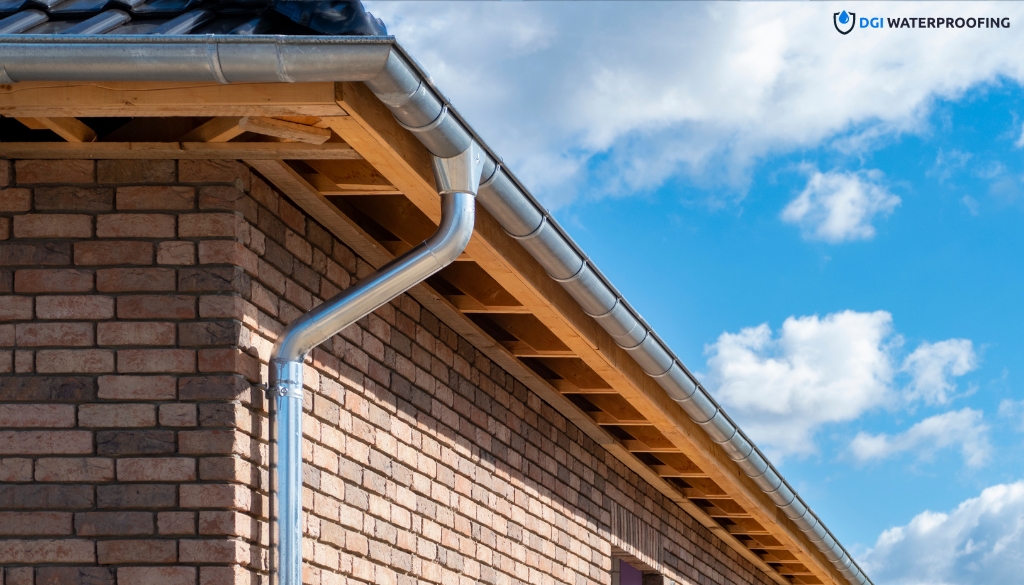
If you own a home in Canada, you already know how unpredictable the weather can be. Heavy rain, snowmelt, and sudden temperature swings can all lead to one thing you don’t want to deal with: water in your basement. However, with the right basement waterproofing solutions in place, you can minimize the risk of water intrusion and potential structural damage.
Two essential components of basement waterproofing are gutters and downspouts. Gutters catch rainwater from your roof and move it to the downspouts, which then carry it away from your home. Together, they keep moisture from pooling around your foundation and stop water from sneaking into your basement.
In the following sections, we will explore the important role of gutters and downspouts in basement waterproofing and how they contribute to overall water management around your home. We will also provide tips and guidance on how to maintain and improve these essential components for long-term basement waterproofing.
Key Takeaways
- Gutters and downspouts are essential components of basement waterproofing and contribute to overall water management around your home.
- Proper installation and maintenance of gutters and downspouts are crucial for preventing excess moisture from seeping into your basement and causing potential structural issues.
- Downspouts play a vital role in efficiently channeling rainwater away from your home’s foundation to a safe distance.
- A well-designed and properly installed gutter system is necessary to minimize water intrusion into your basement.
- Regular maintenance and proper upgrades of gutters and downspouts are necessary for long-term basement waterproofing.
Understanding the Importance of a Proper Gutter System
Gutters help collect rainwater and divert it away from your home. This stops water from pooling up around the foundation, which can lead to basement water damage and structural issues.
Without gutters, rainwater can seep into the ground and penetrate your basement walls, causing moisture buildup. This can lead to mould growth, musty odours, and even foundation cracks.
Installing gutters for basement water management is a smart investment that will help protect your Canadian home from water damage. With a well-designed gutter system, you can minimize the risk of basement flooding and make sure that your home stays dry and safe.
The Benefits of Gutters for Basement Water Management
Gutters provide a range of benefits that contribute to overall basement water management. These benefits include:
- Preventing water from seeping into the ground near your home’s foundation.
- Direct rainwater away from your home to prevent excess moisture buildup.
- Protecting your basement from water damage and mould growth.
- Minimizing the risk of foundation cracks and structural issues caused by water damage.
To reap the full benefits of gutters for your basement water management, it’s important that your gutters are properly installed and maintained.
| Gutter System Maintenance Tips |
|---|
| Clean your gutters regularly to remove debris and prevent clogs. |
| Make sure that your gutters are properly pitched and have no leaks or damage. |
| Upgrade your gutters with leaf guards or screens to prevent debris buildup. |
By following these maintenance tips, you can extend the life of your gutter system and guarantee that it continues to keep your basement dry for as long as possible.

How Downspouts Play a Vital Role in Basement Waterproofing
Downspouts are just as crucial as gutters. They work together to move rainwater away from your foundation and prevent water damage in your basement. But how do downspouts work, and why are they so important?
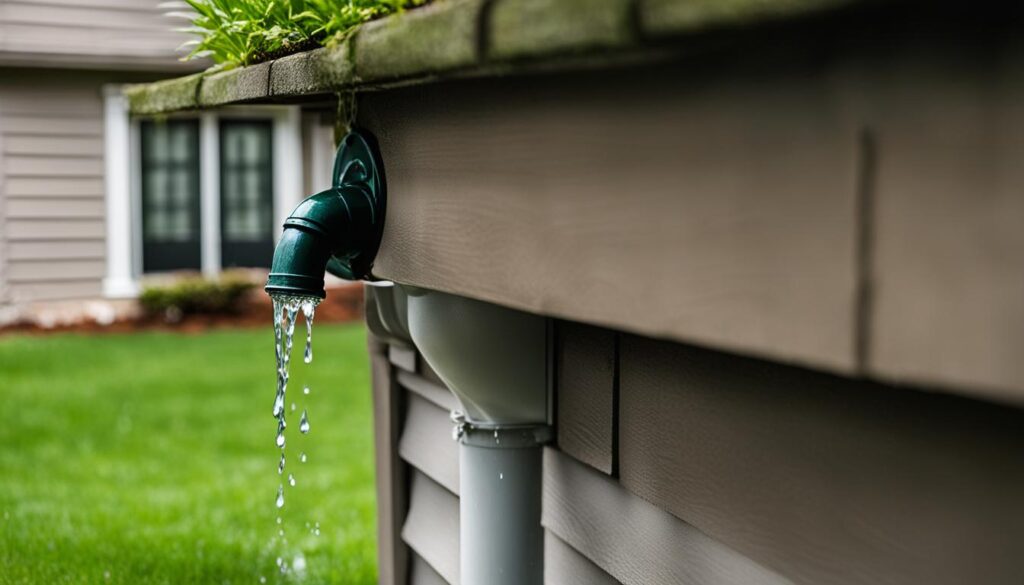
Downspouts are the vertical pipes that connect to your gutters. They carry rainwater from the gutters down to the ground, where it is safely diverted away from your home. Without downspouts, rainwater would simply overflow from your gutters and collect around your foundation, increasing the risk of water damage in your basement.
When installing downspouts for your basement, there are a few considerations that need to be taken into account. Firstly, they must be positioned correctly to guarantee they’re working as they should be. Your downspouts should be placed at least five feet away from your home’s foundation to prevent water from pooling around your property. Additionally, if you have a sloped lawn, you may need to install additional downspouts to account for the water runoff.
It’s worth noting that downspouts should never be connected directly to a municipal sewer system. Not only is this illegal, but it also adds strain to the city’s pipes and can cause untreated sewage and polluted runoff to flow into local rivers and lakes. Instead, consider installing a rain barrel or rain garden. The rain barrel or rain garden will help you kill two birds with one stone: lets water slowly permeate into the soil to provide moisture for plants and preventing erosion.
Regular maintenance of your downspouts is important to keep them functioning correctly. Check for any signs of damage, such as cracks or rust, and repair or replace them as necessary. You can also install downspout extensions to make sure the water is being properly driven away from your home.
Comparing Different Types of Gutters and Downspouts
There are many types of gutters and downspouts available, each with its own advantages and disadvantages. Here are some of the most common types:
| Type | Advantages | Disadvantages |
|---|---|---|
| Aluminum Gutters | Durable, lightweight, rust-resistant, and affordable. | Prone to dents and damage from ladders or falling branches. Not suitable for areas with heavy snowfall or extreme temperatures. |
| Copper Gutters | Beautiful, corrosion-resistant, and long-lasting. | Expensive and requires professional installation. Copper can also develop a patina that may not be to everyone’s liking. |
| Steel Gutters | Durable and can withstand harsh weather conditions. | It can rust and corrode over time. Not suitable for areas with heavy snowfall. |
| Plastic or Vinyl Gutters | Lightweight, cost-effective, and easy to install. | Can crack or warp over time and are not as durable as metal gutters. |
| Standard Downspouts | Cost-effective, easy to install, and readily available. | It may not be as efficient as larger or custom downspouts. |
| Large or Custom Downspouts | It can handle a larger volume of water, reducing the risk of overflow. | It is more costly than standard downspouts and may require professional installation. |
No matter which gutters or downspouts you choose, make sure they are properly installed and maintained to guarantee optimal performance.
In summary, gutters and downspouts play a crucial role in basement waterproofing and water management. They work together to collect and direct rainwater away from your home’s foundation, preventing water from seeping into your basement and causing structural damage. By selecting the appropriate gutters and downspouts and guaranteeing proper installation and maintenance, you can keep your basement dry and protected for years to come!

Maintaining and Upgrading Your Gutters and Downspouts for Long-Term Basement Waterproofing
To continue to protect your basement from water damage, regular maintenance is needed for both gutters and downspouts. At least twice a year, inspect your gutters for blockages, leaks, and damage caused by severe weather. Use a hose to flush out debris (leaves, dirt, etc.), and make sure your downspouts are securely attached and directing water away from your foundation.
Schedule Professional Cleaning and Repairs
If your gutters and downspouts require more attention, it’s best to schedule professional cleaning and repairs. A qualified waterproofing technician can quickly identify and fix any issues, so your basement remains dry and protected.
Upgrade Your Gutters and Downspouts
If your gutters and downspouts are damaged beyond repair, consider upgrading to a new and improved system. Newer models are designed to handle heavy rainfall and are equipped with features such as gutter guards to prevent debris buildup. Upgrading can also improve the aesthetic appeal of your home, increasing its overall value.
Consult with a Professional
For homeowners unsure about the maintenance or upgrade process, consult with us! We can provide guidance and recommendations specific to your home and basement waterproofing needs, so that you make the best decisions for your home’s protection.