
 Home
Home
Climate change is more than a buzzword. It’s a reality affecting many aspects of our lives, including home maintenance. One area that often gets overlooked is home waterproofing. As weather patterns shift and rainfall increases, the need for effective basement waterproofing becomes increasingly critical, and we’re going to explain why.
4 Ways Climate Change Increases the Need for Basement Waterproofing
More Intense Rainfall and Storms
Rising Frequency of Heavy Rainfall
One of the most noticeable effects of climate change is the increase in heavy rainfall. In areas like Ajax, Mississauga, and Toronto, we see more frequent and intense storms – which means more water around your home. This can lead to frequent basement leaks, especially if your waterproofing system isn’t ready to handle all of this extra rainfall.
To combat this, homeowners all around the GTA should consider upgrading their basement waterproofing systems. Advanced waterproof membranes and modern drainage systems can handle higher volumes of water or any other surprise climate changes, ultimately offering better protection. Regular inspections and maintenance of these systems are necessary to make sure they are functioning at peak condition.
Flash Floods
Flash floods are becoming more common as well. These sudden surges of water can overwhelm traditional waterproofing methods, leading to significant water damage in basements. The quick onset of flash floods leaves little time for homeowners to react, making it important to have strong, resilient, and preventive measures in place.
Making sure your sump pump is powerful and reliable is your number one priority before a flash flood. Consider installing a backup sump pump or a battery-operated option for extra security during power outages caused by storms. Additionally, installing flood barriers or shields around basement windows and doors can provide an added layer of protection against sudden water influx.
Rising Groundwater Levels
Gradual Increase in Groundwater
Climate change is driving sea levels up, and that extra water doesn’t just stay at the shoreline. Now, it pushes groundwater levels higher too. When the soil around your home holds more groundwater than it used to, the pressure against your foundation increases. This is called hydrostatic pressure, and it forces water to look for any weak spot it can squeeze through. Things like tiny cracks, gaps around pipes, or even porous concrete. The tricky part is that this rise happens slowly over time, so most homeowners don’t notice anything is wrong until moisture starts showing up inside the basement or the foundation begins to weaken.
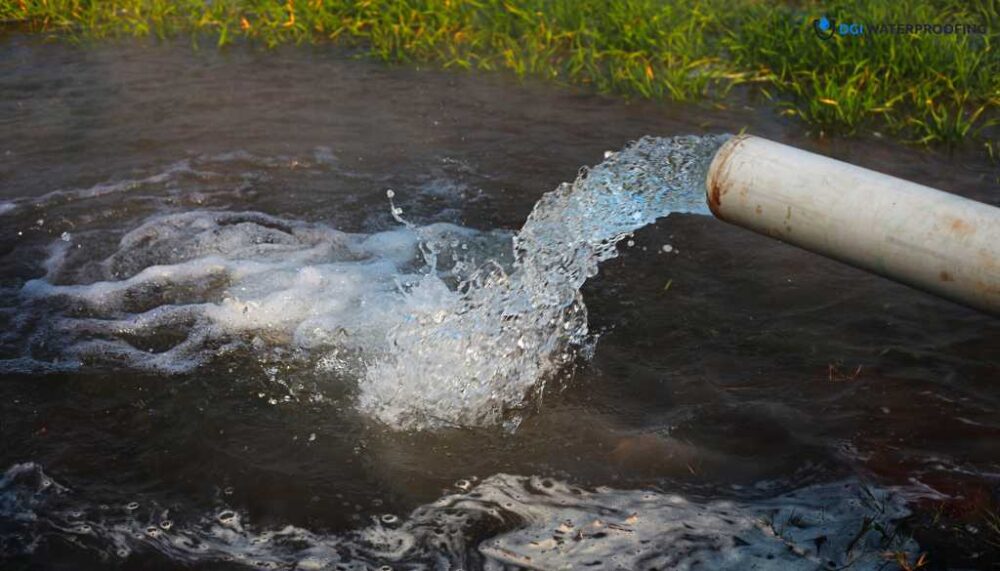
Homeowners can combat this by installing or upgrading exterior drainage systems. Effective drainage helps manage groundwater and keeps it away from basement walls. By installing French drains, exterior waterproofing membranes, and making sure your yard slopes away from the house, you can greatly cut down the chances of groundwater creeping into your basement.
Hydrostatic Pressure
Increased groundwater levels also lead to higher hydrostatic pressure. When the ground gets soaked, the water has nowhere to go. It pushes outward and downward with increasing pressure. That pressure forces water into any weak spots in your foundation like cracks, joints, window wells, or even pores in the concrete. This is why basements leak even without visible openings. which can cause water to seep through basement walls and floors.
Applying waterproof coatings to your basement walls and floors is a proactive measure. These coatings act as a barrier, resisting the pressure and keeping your basement dry. Additionally, interior drainage systems can help manage any water that does penetrate, directing it away from your living spaces.
Shifting Weather Patterns
Unpredictable Weather
Climate change is causing more unpredictable weather patterns. You might experience a period of dry weather followed by sudden, heavy rains. This unpredictability can catch even the most prepared homeowners off guard, leading to unexpected basement water issues.
To stay ahead of these changing patterns, regularly inspect and maintain your waterproofing systems. Look for cracks, wear, and tear, and address any issues promptly. Keeping gutters and downspouts clear of debris makes sure they can handle sudden rainfall efficiently, directing water away from your foundation.
Seasonal Changes
Seasonal changes are also becoming more extreme, with hotter summers and colder winters. These fluctuations affect the materials used in waterproofing, causing them to expand and contract, which can lead to cracks and leaks.
Choosing flexible, high-quality materials like elastomeric membranes, rubberized asphalt, polyurethane coatings, or even bentonite clay panels can make a big difference in how well your waterproofing system holds up. These products handle temperature swings without cracking or breaking down. Adding proper insulation, such as rigid foam or spray foam, also helps keep your basement’s temperature more stable and takes some of the stress off your waterproofing.
Smart & Sustainable Waterproofing Solutions for Climate Change
Smart Sump Pumps
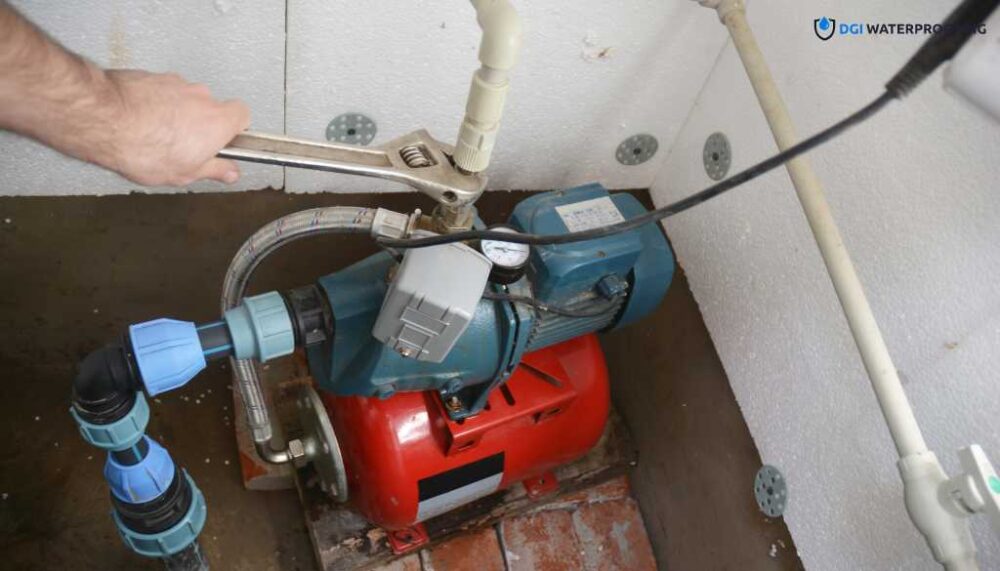
New technology is making it easier than ever to protect your basement. For example, smart sump pumps can connect to your home’s Wi-Fi, so you can check water levels right from your phone. If the water starts rising too high, the pump can send you an alert, giving you a heads-up before anything turns into real damage. It’s a simple upgrade that’s worth it, especially during heavy storms or when you’re not home.
Investing in smart sump pumps provides especially during heavy storms or when you’re away from home. Sump pumps works by sitting in a pit (called a sump basin) at the lowest point of your basement. As groundwater collects around your foundation, it drains into this pit. When the water level rises high enough, the pump automatically turns on and pushes the water out of your home through a discharge pipe. Basically, it collects excess water and pumps it away before it can flood your basement. These devices can also integrate with other smart home systems, offering a more holistic approach to home protection.
Smart Water Sensors
Smart water sensors can detect even small amounts of moisture and alert you to potential leaks or flooding. Placing smart sensors in key areas around your basement can help your sump pump catch issues early and prevent major water damage. The best way to maximize these smart sensors are near potential problem areas like sump pumps, windows, and foundation cracks.
Eco-Friendly Waterproofing Materials
As we become more aware of our environmental impact, the demand for sustainable waterproofing solutions is growing. Eco-friendly materials not only help protect your home but also reduce your carbon footprint. These materials are often made from recycled or sustainable sources and are designed to be long-lasting and effective. We offer basement waterproofing with eco-friendly material and can help you make the best waterproofing solution while being eco-conscious.
When choosing waterproofing products on your own, look for those labeled as eco-friendly or sustainable. These products provide the same level of protection as traditional materials but with less environmental impact.
Eco-Friendly Permeable Landscaping
Permeable landscaping materials, like permeable pavers, allow water to seep into the ground naturally, reducing the amount of water that reaches your basement. These materials can be used in driveways, walkways, and other landscaped areas around your home.
Using permeable materials in your landscaping helps manage water flow and reduces the risk of water damage to your home. This approach not only protects your basement but also supports groundwater recharge and reduces runoff.
How Regular Inspections Protect Your Basement from Climate Change
Regular maintenance goes a long way in keeping your basement dry especially now that climate change is bringing heavier storms, higher groundwater, and weather that’s all over the place. A good place to start is with simple routine checks! Just walk around your basement and look for things like small cracks in the foundation, patches of mould or mildew, or spots where water seems to collect. After big rainstorms or snow melts, take another look at your waterproofing systems to make sure nothing looks worn or damaged.
When something doesn’t look right, or if you want a deeper assessment, calling in a professional is the smartest move. Waterproofing specialists like us have the tools and expertise to spot issues you might miss. We also can recommend solutions tailored to your home so your basement stays dry when unexpected climate comes your way!