Has a mysterious puddle spawned in your basement out of nowhere? Did you feel a drip of liquid from your basement’s ceiling? No matter the type of leak in your basement, it’s most definitely not welcome in your home. The good news is that you can 100% fix leaks in your basement from the inside, and you don’t always have to dig up your yard or break the bank to do it. While it’s recommended to fix the leaky basement from both the exterior and interior, we’ll go over what’s possible to DIY inside your basement before calling in the pros.
What Causes a Leaky Basement?
Understanding what’s causing the water to get in is the first step to fixing it. Your basement might be leaking for one or several of the following reasons:
Hydrostatic Pressure
When it rains a lot or snow melts quickly, the ground around your home soaks up this moisture like a sponge. With its tough and heavy exterior, the soaked soil pushes hard against your foundation walls. This pressure is called hydrostatic pressure, and it forces water into your basement through tiny cracks and seams, causing a wet basement.

The Clay Bowl Effect
During construction, builders dig a hole larger than the actual foundation, and then fill the space up with loose soil (also known as, backfilling). This looser soil doesn’t drain as well as the untouched earth surrounding it. So, water tends to collect around your foundation like a bowl, and eventually tries to find its way in.

Foundation Cracks
Even hairline cracks in your foundation are open doors for water over time. These cracks might form as your house settles or if the foundation wasn’t sealed properly. Once water finds a weak spot, it’ll keep coming back.
Dampproofing Problems
Most homes are coated with a basic moisture barrier during construction. But over the years, that coating can wear away or get damaged. Once that happens, the wall has no defense against water trying to seep in from the surrounding soil.

Plumbing Issues
Sometimes the water in your basement isn’t coming from outside, it’s coming from inside. A leaky pipe, loose valve, or even a poorly sealed sump pump can introduce moisture into the space, mimicking the signs of outside water intrusion.
Window Wells
Basement windows can be a great source of natural light, but if their wells aren’t properly drained, they can collect rainwater and snow. That pooled water can then leak in through the window frame or cracks in the surrounding concrete.
Can I Fix a Leaky Basement On My Own?
Yes, you can fix leaks in your basement from the inside – at least temporarily. But if you want a long-term fix, it’s highly recommended you contact a professional to waterproof your basement from the inside. As industry experts, we know how to spot inconsistencies within your foundation that might not be obvious at first glance. That said, there are four steps you can take right now to help control the situation and possibly delay the leak.
1. Find Where the Leak Is Coming From
Start by looking closely at the walls, floor, windows, and pipes. Is there a visible crack? Is water coming in through a joint? Finding exactly where the source is helps you decide what kind of solution you’ll need. Use a flashlight and mark the spots where you see dampness or dripping.
2. Get Rid of Excess Humidity
Sometimes your basement might just feel damp rather than look wet. Running a dehumidifier can help reduce moisture levels and make the space less inviting for mold. Ventilating the area (even with a fan and an open window) can also help.
3. Insulate Pipes
Condensation from cold water pipes can drip and create puddles, especially during humid months. Wrapping your pipes with foam insulation is a quick fix that helps prevent this kind of moisture from showing up on your floors or walls.
4. Plug Small Holes or Cracks in the Wall
If you find a small crack or hole in your basement, you can try plugging it using hydraulic cement or a concrete patch. These materials expand as they dry, helping to block the path of water. This isn’t a long-term fix, but it can hold off leaks until you’re ready to get a more thorough repair done.

When To Contact a Waterproofing Professional
Some problems are just too big for a DIY approach. If the water keeps coming back, the cracks are growing, or the leak is affecting more than one area, it’s time to bring in a waterproofing company that specializes in helping homeowners fix leaks in their basement from the inside.
At DGI, we walk our clients through every step of the process, starting with a full interior inspection. Here’s what that process typically looks like:
1. Filling Foundation Cracks
Once we’ve located all the cracks in your foundation walls, we use professional-grade injection materials (usually epoxy) to seal them from the inside. These materials don’t just patch the surface – they penetrate deep into the crack, expand, and cure into a watertight seal.
2. Installing a Waterproof Membrane
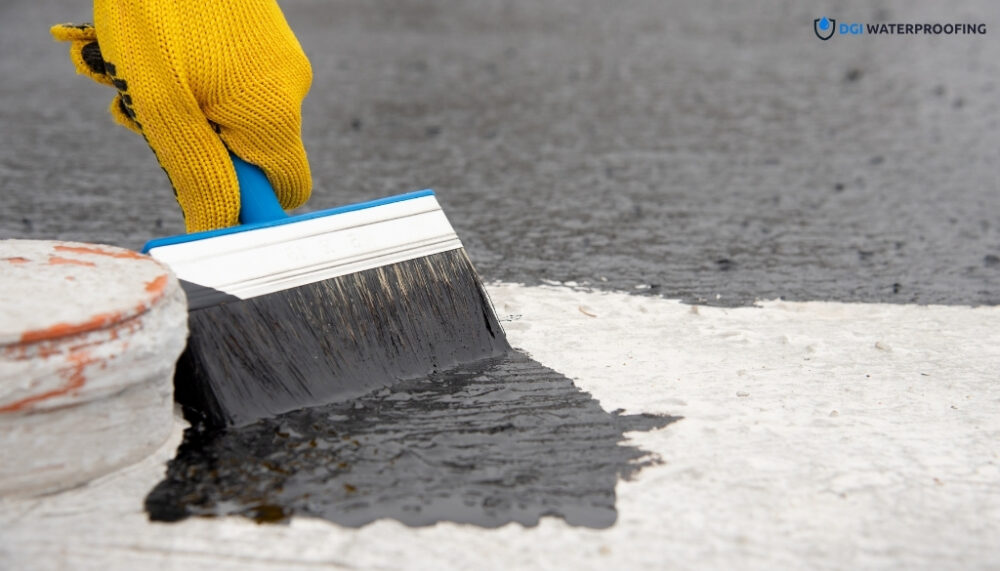
A waterproof membrane is a special material applied to the interior walls of your basement. It acts as a barrier between your home and any moisture in the soil behind the walls. Applying this membrane correctly requires prep work (surface cleaning and drying), specialized tools, and experience. If installed poorly, it won’t hold up to long-term pressure, so it’s a job best left to trained professionals.
3. Setting Up an Interior Drain
An interior drain system is installed along the perimeter of your basement floor. It collects water that seeps through the walls or under the slab and redirects it to a sump pump. From there, the water is pumped out and away from your home. Cutting into the concrete, setting the drain line at a proper slope, and connecting it to a reliable sump pump system all require precision and knowledge of local building codes.

4. Gravel Fill & Concrete Finish
Once the drain system is in place, we fill the trench with washed gravel to allow water to flow freely toward the drain. After that, we re-seal the floor with fresh concrete, restoring it to its original state. This step might sound simple, but doing it right is crucial for the whole system to work properly.
Maintaining Your Basement Waterproofing
While basement waterproofing done by a professional is a long-term fix for water leakage, it still requires a bit of TLC to stay effective over time. Just like any part of your home, your basement benefits from regular maintenance. Here are some habits to keep in mind if you want your waterproofing to last you years:
- Run a dehumidifier to keep moisture levels low and discourage mold growth.
- Inspect walls and floors regularly for new cracks, damp spots, or discoloration.
- Test your sump pump every few months to make sure it’s working properly.
- Keep storage away from walls to allow airflow and prevent hidden moisture buildup.
- Check for condensation on pipes or windows and insulate if needed.
- Clean basement drains to prevent clogs and water backup.
- Monitor humidity with a hygrometer to catch moisture problems early.
These easy steps go a long way in keeping your basement leak-free and protected.
It’s What’s Inside That Counts
If you’re dealing with foundation cracks, condensation, or other sources of moisture, you might want to consider waterproofing your basement from the inside. While quick DIY fixes can help you get by, they’re rarely the complete answer. For a long-term solution that protects your home and your peace of mind, you will need both interior and exterior basement waterproofing for your home. But, if you’re not in the position to waterproof both the inside and outside of your home, starting from the inside is a great way to keep water out of your basement for now.