
 Home
Home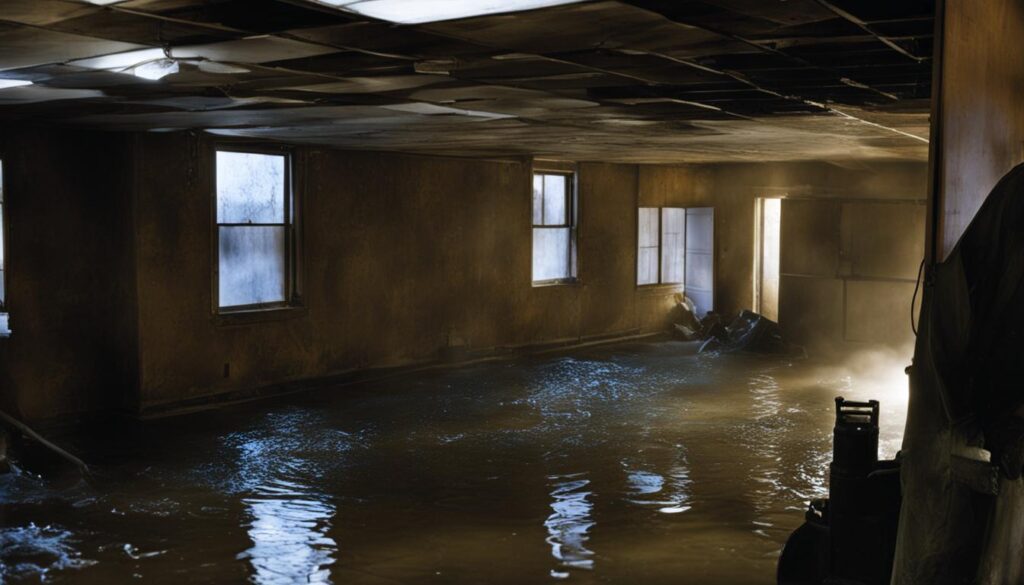
Dealing with a flooded basement can be a daunting task. However, it’s essential to act fast to prevent further damage and restore the area to its pre-flood condition. In this article, we’ll explore fast and effective methods for drying a basement after a flood. From basement flood cleanup to basement water damage restoration, we’ll cover everything you need to know to get your basement back in shape.
Key Takeaways:
- Basement floods can lead to significant water damage, making it essential to act quickly.
- Basement flood cleanup involves thorough cleaning, drying, and disinfection to prevent mold growth.
- Professional basement drying services can speed up the drying process and prevent further damage.
- Removing excess water from the basement is crucial for efficient drying.
- Basement water damage restoration involves thorough cleaning, drying, and disinfection to prevent mold growth and restore the area to its pre-flood condition.
Drying Techniques for Flooded Basements
When dealing with a flooded basement, quick and effective drying techniques are crucial to prevent further damage and mold growth. Here are some drying techniques for flooded basements:
Basement Drying Services
Professional basement drying services can provide a fast and efficient solution to drying out a flooded basement. These services typically involve the use of specialized equipment, such as high-capacity dehumidifiers and fans, to remove excess moisture from the air and promote quick drying.
When choosing a basement drying service, be sure to research and compare providers carefully to find one with a reliable track record of success and favorable customer reviews.
Basement Dehumidification
Dehumidification is a crucial technique for removing excess moisture from the air and promoting faster drying. A dehumidifier works by pulling moisture out of the air and collecting it in a reservoir, which can then be emptied periodically.
When using a dehumidifier, it’s important to choose the right size for your basement and to keep doors and windows closed to prevent additional moisture from entering. Regular maintenance and cleaning of the dehumidifier can also help ensure optimal performance.
DIY Drying Techniques
If you prefer to tackle the drying process on your own, there are several DIY techniques that can help speed up the process. These include:
- Opening windows and doors to promote natural ventilation
- Using fans to circulate air and accelerate drying
- Placing towels or other absorbent materials on the floor to soak up excess water
- Using a wet/dry vacuum to extract water from the carpet or flooring
While these techniques can be effective, they may not be sufficient for more severe flooding incidents. In such cases, it may be best to consult with a professional basement drying service.
Flood Water Extraction and Removal Techniques
Once the source of the water influx has been stopped, the next step is to extract the water from the flooded basement. Depending on the amount of water, you may need to use certain tools and techniques to effectively remove it. One common technique is to use a wet vac, which can quickly suck up large amounts of water and deposit it in a holding tank.
For larger-scale flooding incidents, it may be necessary to rent a submersible pump to help remove the water more efficiently. A submersible pump is designed to be placed directly in the water and can quickly pump out large volumes of water.
Another technique for water removal from basement is to use a dehumidifier. A dehumidifier is a device that removes excess moisture from the air, which can help to speed up the drying process. By removing excess moisture, a dehumidifier can also help prevent mold growth and other water damage issues.
It is important to remember that water removal from basement should be done as quickly as possible to prevent further damage and mold growth. Once the water has been extracted, it is recommended to thoroughly dry the area using fans and open windows to increase ventilation.
Quick Drying Methods for Basements
After a flood, time is of the essence when it comes to drying out your basement. The longer you wait, the more damage you risk to your property and the higher the chances of mold growth. That’s why it’s important to take action as soon as possible. Here are some quick drying methods to help you dry your basement quickly:
1. Increase ventilation
Opening windows and doors can help increase air circulation, which in turn helps to speed up the drying process. If the weather is warm and dry, leave your windows open throughout the day. You can also use fans to help circulate the air, which can help to dry out your basement more quickly.
2. Use a dehumidifier
A dehumidifier is a great tool for drying out your basement quickly. It works by removing excess moisture from the air, which helps to speed up the drying process. Be sure to choose a dehumidifier that is powerful enough to handle the size of your basement.
3. Rent a wet vacuum
If you have standing water in your basement, a wet vacuum can help you remove it quickly. A wet vacuum is more powerful than a regular vacuum and can handle large amounts of water. Renting one from a hardware store can help you speed up the process of removing water from your basement.
4. Turn up the heat
Raising the temperature in your basement can help to speed up the drying process. Warmer air can hold more moisture, which can help to dry out your basement more quickly. If you have a space heater, use it to increase the temperature in your basement. Just be sure to keep it away from any flammable materials.
5. Call in the professionals
If you’re short on time or don’t have the equipment you need, consider calling in the professionals. A basement drying service can help you dry out your basement quickly and efficiently. They have the experience, equipment, and know-how to get the job done right.
Addressing Basement Water Damage
Floods can cause significant water damage to basements. It is crucial to take immediate action to prevent further damage and restore the basement to its pre-flood condition. Effective water damage restoration involves several critical steps.
Thorough Cleaning
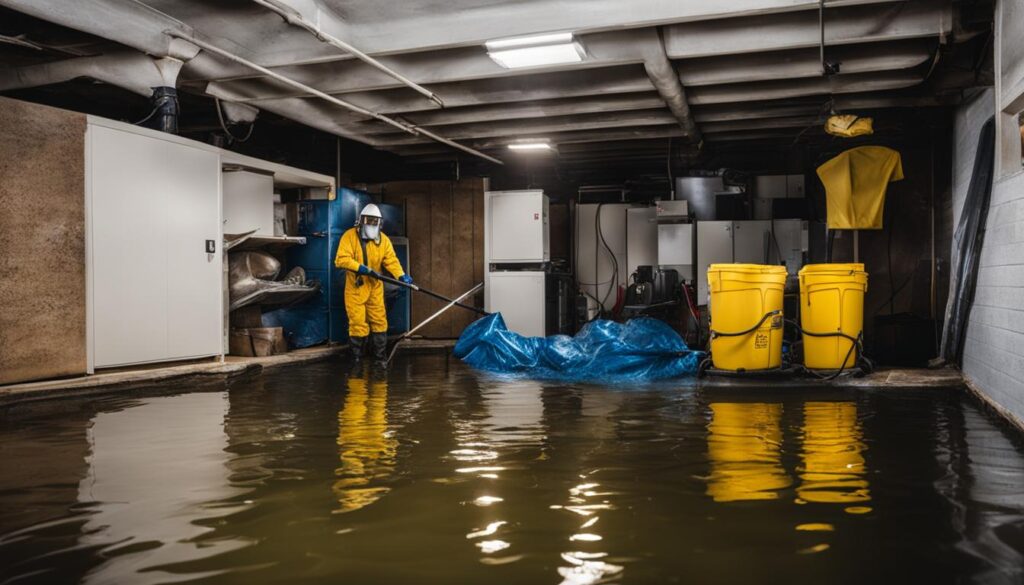
Before beginning restoration work, it is necessary to remove any debris and clean the basement thoroughly. This can include scrubbing walls and floors with soap and water and utilizing specialized cleaning solutions to remove mold and mildew.
Drying Out the Basement
After cleaning, focus on drying the basement to prevent the growth of mold and mildew. Set up fans and dehumidifiers to increase airflow and reduce humidity levels. These steps are especially crucial in the first 48 hours after the flood.
Disinfection
Disinfecting the basement is vital to prevent the growth of harmful bacteria and germs. Use appropriate solutions to disinfect surfaces that have come in contact with floodwater.
Restoration
Finally, carry out necessary repairs and restoration work. This may include replacing damaged flooring and drywall and fixing any electrical systems. Proper restoration work will ensure that the basement is safe to use again.
Preventing Future Basement Flooding
Dealing with a flooded basement can be a hassle, but taking preventive measures can go a long way in avoiding future flooding incidents. There are several practical tips homeowners can follow to prevent basement flooding.
Basement Waterproofing
One of the most effective ways to prevent basement flooding is by waterproofing the basement. This involves creating a barrier between the foundation walls and the surrounding soil to prevent water from seeping in. There are several basement waterproofing techniques homeowners can consider, including applying sealant to the walls, installing drainage systems, and landscaping to ensure proper water runoff away from the foundation. Consulting with a professional basement waterproofing company can help homeowners identify the best waterproofing solution for their specific situation.
Maintain Gutters and Downspouts
Gutters and downspouts play a crucial role in directing water away from the foundation and preventing basement flooding. It is essential to keep them clean and free of debris to ensure proper water flow. Homeowners should also check that downspouts are directing water at least six feet away from the foundation and onto sloping ground.
Regular Basement Maintenance
Regular maintenance practices can help minimize the risk of basement flooding. Homeowners should inspect their basements regularly for signs of water damage, such as mold growth or cracks in the walls. It is also important to ensure all basement appliances, such as the hot water heater or washing machine, are properly installed and maintained. Homeowners should also consider installing a sump pump to remove any excess water from the basement.
By following these preventive measures, homeowners can significantly reduce the risk of basement flooding. Taking action to prevent basement flooding can save homeowners time, money, and inconvenience in the long run.